
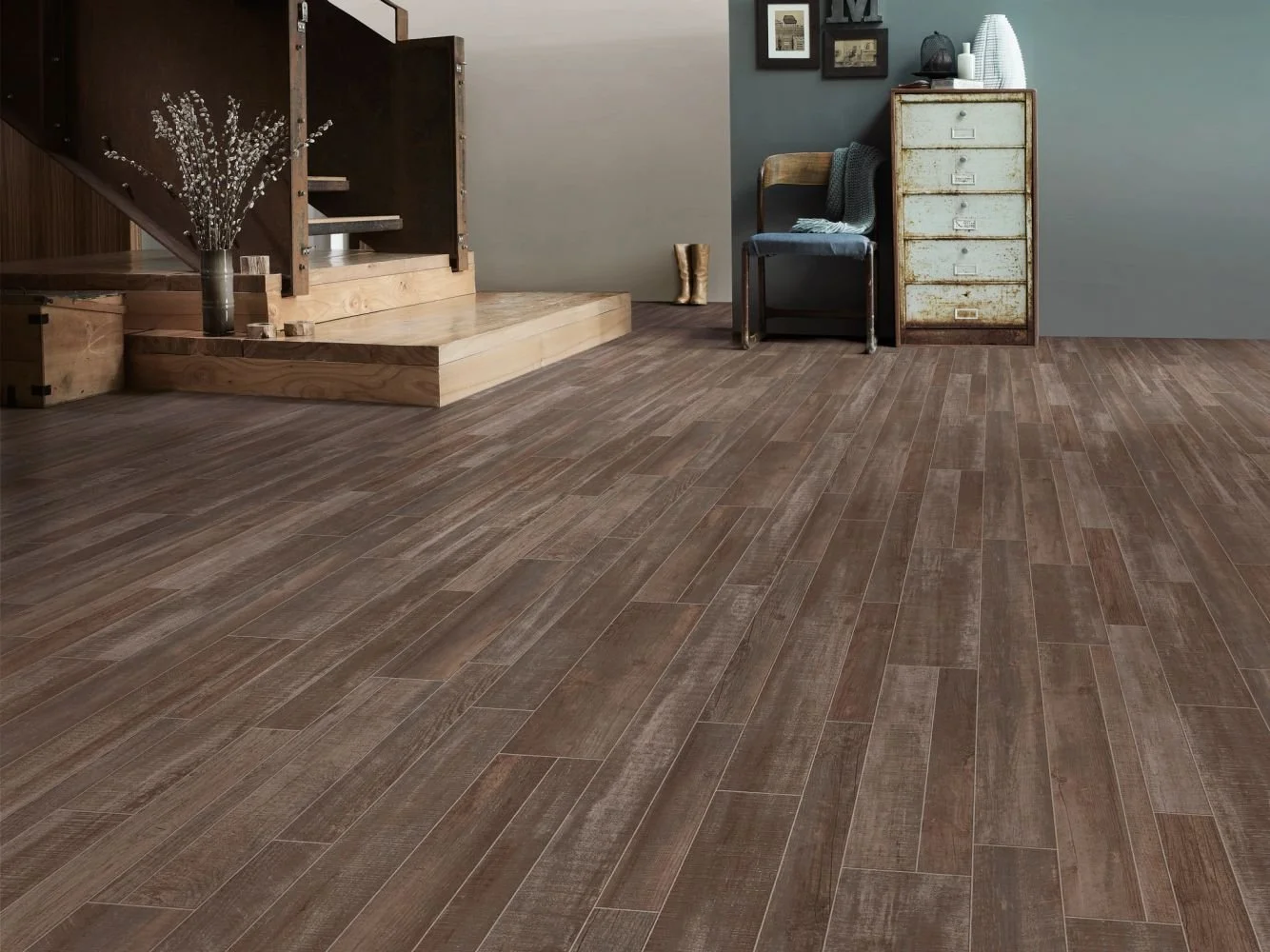
A Cohesive Showroom for Premium Flooring

TL;DR
Shaw Floors needed more than a redesign. With four premium brands, fragmented ownership, and a previous agency effort that hadn't landed, they needed strategic clarity as much as design execution.
We navigated shifting scope, fragmented ownership, and unfinished brand standards across four premium flooring brands. In the end, we delivered a scalable, cohesive multi-brand experience that Shaw's own team could own independently.
Background
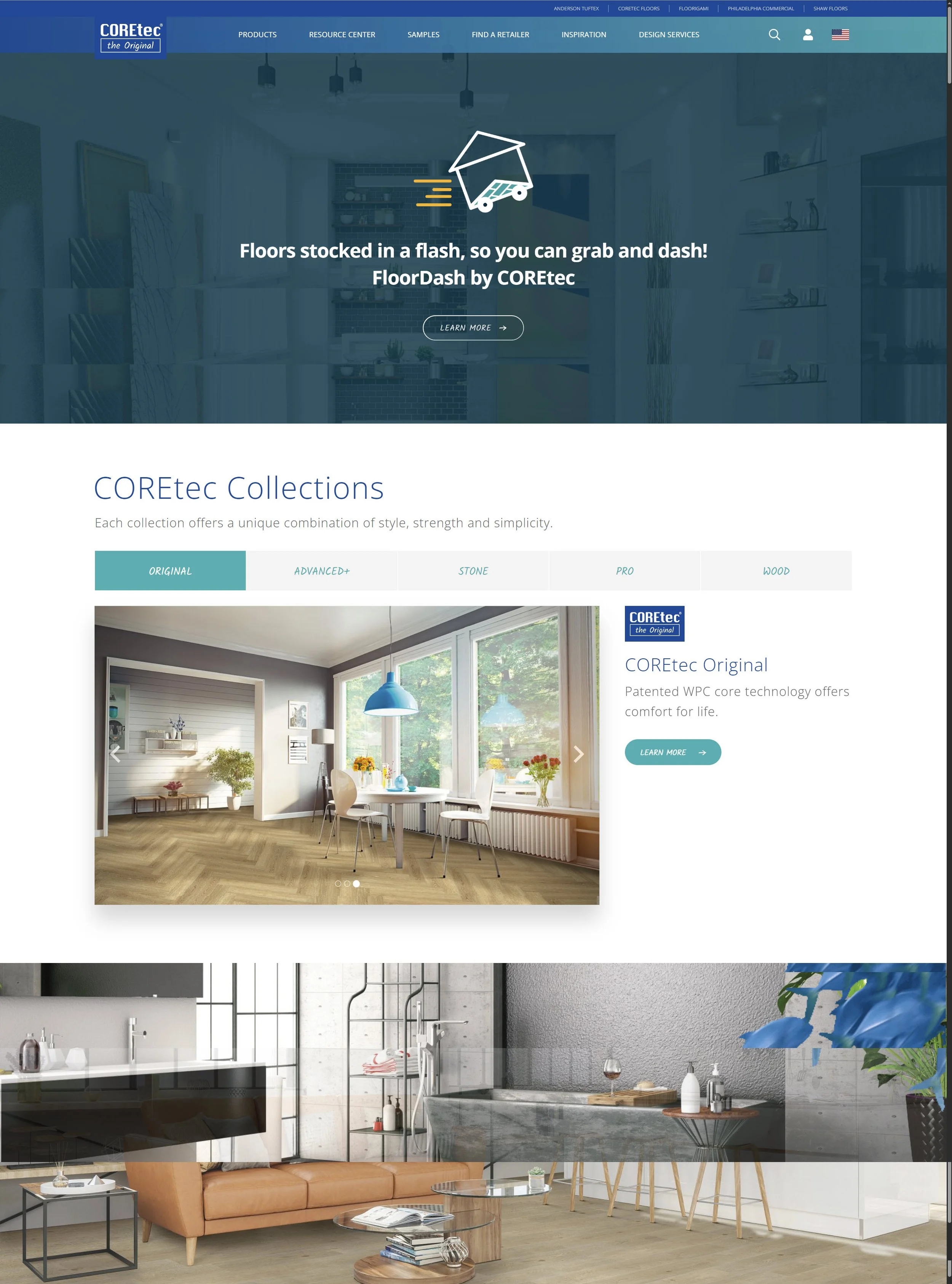
Shaw Floors is one of America's largest providers of premium flooring materials, with multiple brands under one roof and an extensive catalog of hardwood, vinyl, and carpet products.
In recent years its web presence had lagged its product innovation. The company enlisted an outside agency to modernize their branding and UX as part of a replatforming effort. The result was an improvement, but one that didn't fully fit Shaw's evolving needs. Navigation, content hierarchy, responsive scaling, and administration all had room to grow.
Macquarium was brought in to take another swing at it. We were tasked with understanding Shaw's product lines, marketing strategies, and sales and IT operations, and with redesigning three flagship brand sites — Shaw Floors, COREtec, and Anderson Tuftex. A mid-way curveball added a fourth.
The Challenge
Unfinished Branding
Each brand's marketing and design standards were being overhauled by Shaw's marketing team while the project was already underway. We'd be designing to a moving target.
Fragmented Ownership
Each brand had its own SMEs, with Shaw overlapping many of them. Decision-makers and their needs were often unclear until late in the game, which meant building flexibility into every stage.
Scope Creep
The timeline started aggressive but realistic. As complications surfaced, the plan would need to adapt without losing sight of the end goal. Bob and weave, but always forward.
Design Hangover
Shaw's existing architecture carried both tech and design debt. Thankfully they knew it, owned it, and welcomed us with open arms.
My Role
Led the Macquarium design team and served as primary strategic lead for the Shaw engagement
Acted as consultant and architect, helping Shaw work through key decisions before the team executed on them
Owned Macquarium's information architecture, product presentation strategy, and creative direction across all four brand sites
Directed design execution across conceptual and detail phases, guiding designers in hands-on production
Managed Macquarium's project plan through a highly fluid environment, pivoting scope, sequencing, and resourcing as challenges emerged
Partnered with sales, marketing, IT, and Shaw's own UX designer to bridge internal silos and align stakeholders
Led cross-team collaboration and knowledge sharing between Macquarium and Shaw designers
Our Approach
1. Discovery & Benchmarking
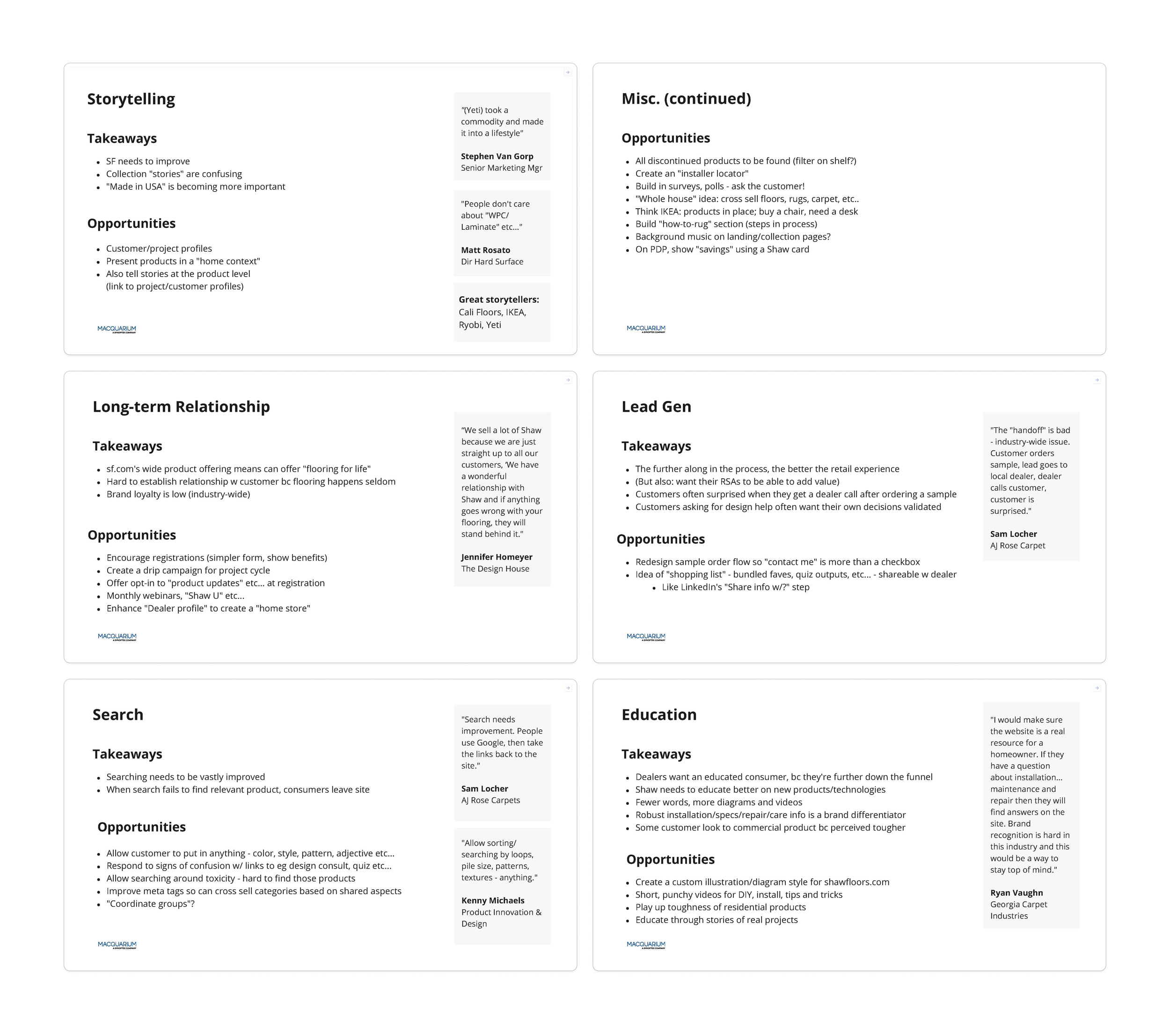
We opened with stakeholder interviews, heuristic audits, and a two-track competitive assessment — benchmarking Shaw's sites against direct competitors for functional parity, and against leading indirect brands for creative and experiential inspiration. The picture that emerged was clear: both brand standards and website functionality had significant room to grow, and we'd need to address both simultaneously.
2. Phased Rollout & Client Integration
Discovery made one thing clear: a simultaneous big-bang release for all three brands wasn't realistic. We pivoted to a phased rollout — leading with COREtec and a new site for multi-family home builders, with Shaw Floors and Anderson Tuftex to follow. This let us sequence work around client readiness rather than fighting it.
Shaw also embedded one of their own UX designers with our team — a motivated, talented contributor who brought something we couldn't replicate: direct access to stakeholders and institutional knowledge that would have taken us months to develop independently. The collaboration made both teams stronger.
3. Information Architecture & Content Strategy Workshops
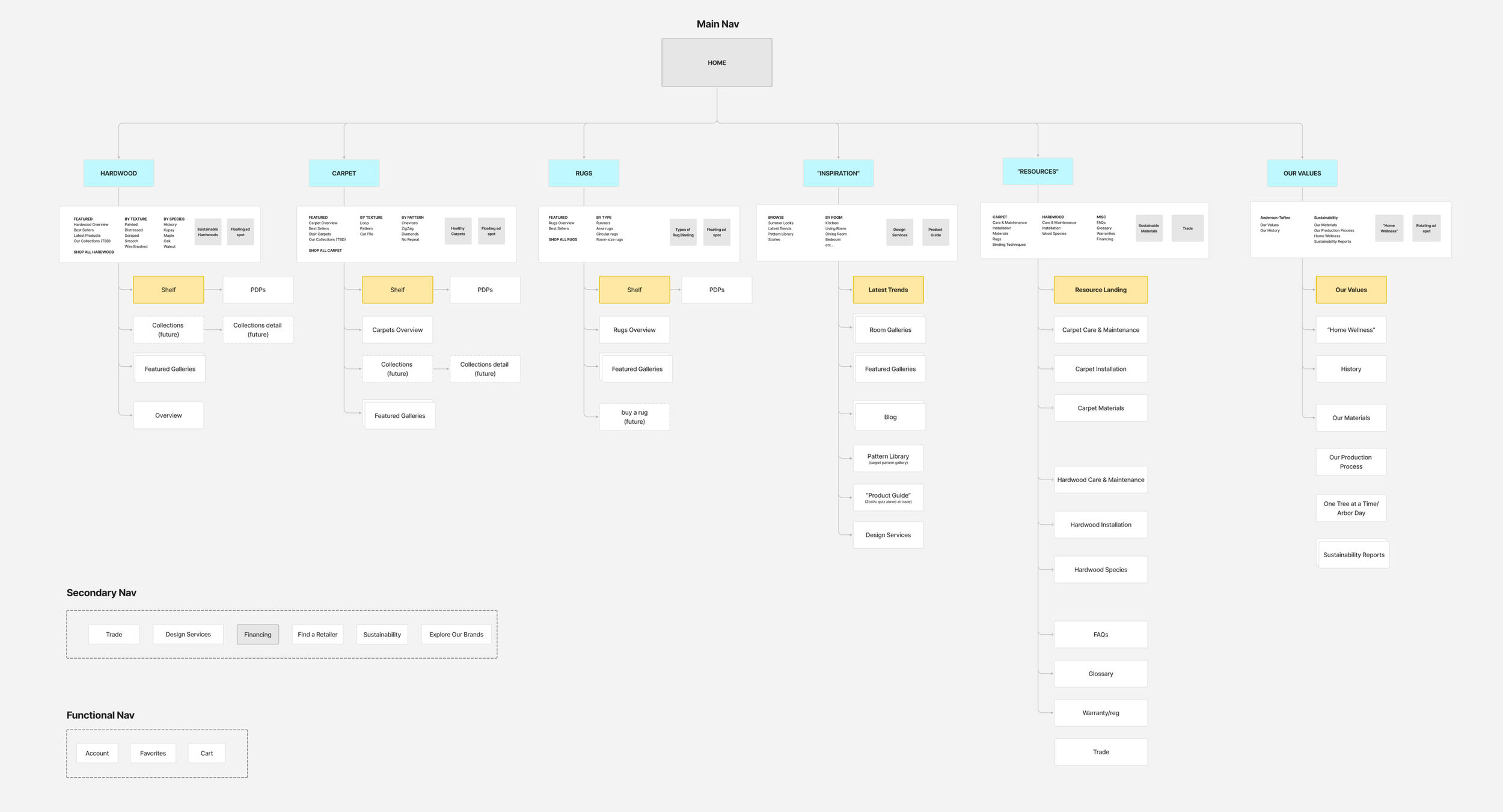
One of Shaw's most significant weak points was organization — not just navigation, but page-level structure, component usage, and content hierarchy across all four brands. We built out notional site map diagrams in FigJam, comparing approaches across the team to identify a hybrid solution that combined the best of each. That draft became the basis for an extended working session with Shaw stakeholders.
The feedback was valuable — but it also confirmed that large portions of Shaw's content strategy were still unsettled. Rather than waiting, I triaged the open questions, assigned owners, and set deadlines. Here i essentially acted as a project manager for the client. We repeated this approach for every brand.
4. Project Plan Pivot
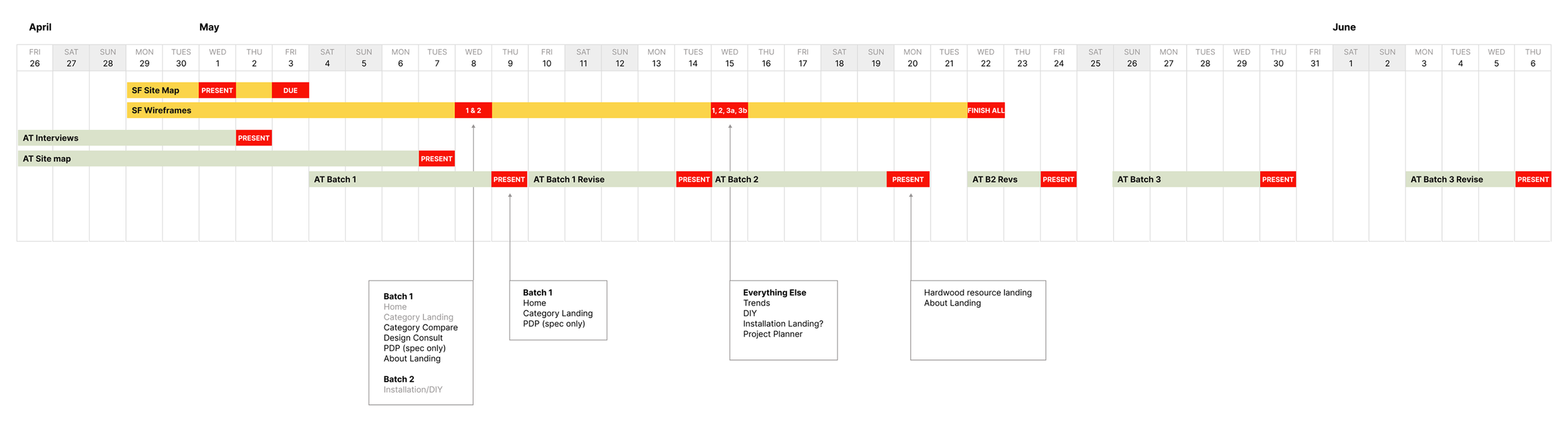
Shaw's decision-making process was slower than the timeline allowed. I stepped back with the senior designer and project manager to reassess and restructure. Rather than a single full wireframe delivery, we switched to four sequential batches ordered by priority and client readiness — each approved batch moving into visual design while the next was wireframed in parallel.
It introduced more concurrency risk and tighter dependencies, but it kept us moving and gave Shaw the flexibility they needed to catch up on their end.
5. Establishing Creative Direction
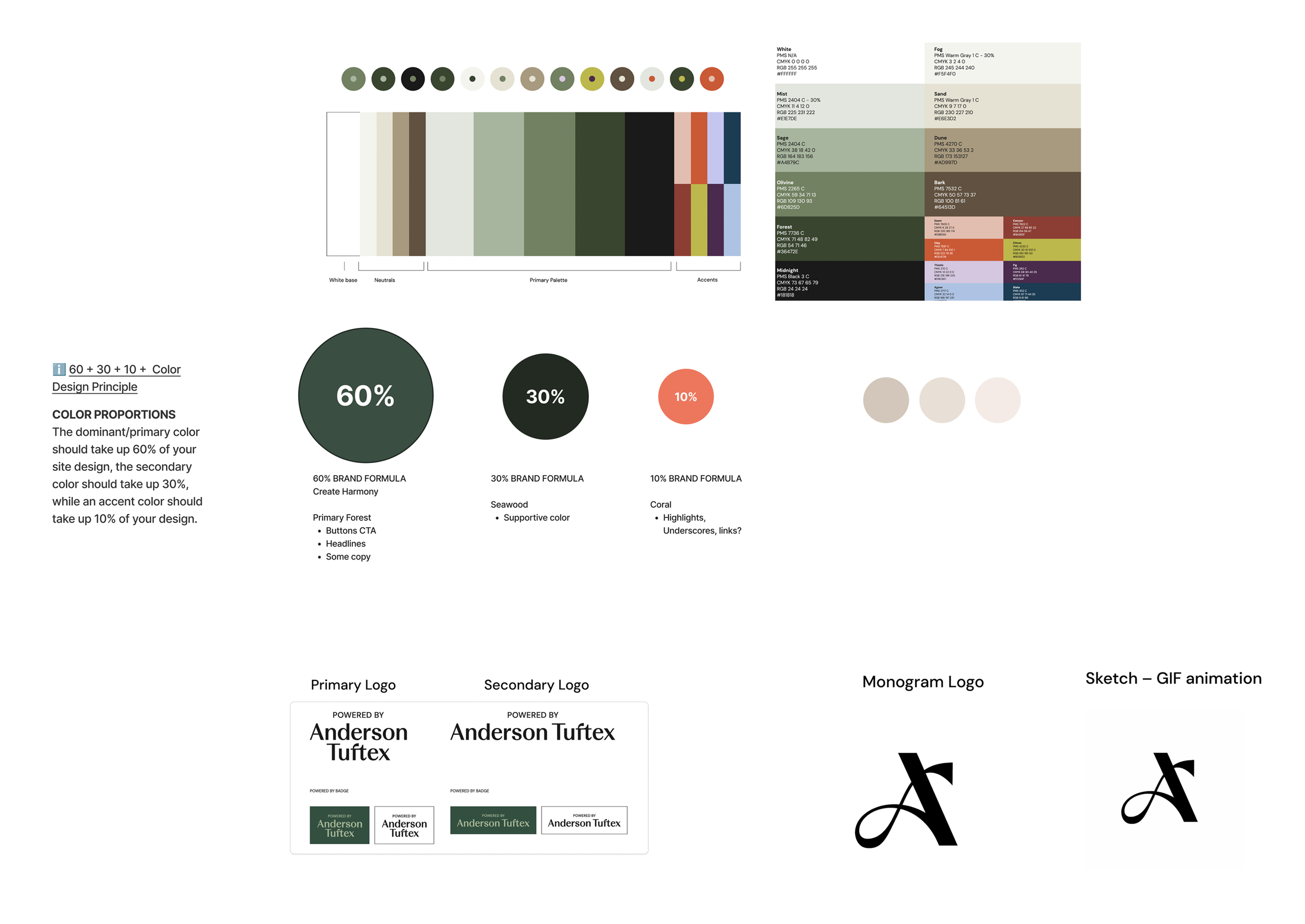
Establishing creative standards for four brands simultaneously — while Shaw's marketing team was still finalizing their own style guides — meant designing to a moving target. Two risks loomed: concurrency risk from evolving brand standards, and subjectivity risk from the inherently opinion-driven nature of visual design reviews.
We addressed both deliberately. For concurrency, we worked closely with Shaw's marketing team on their draft style work, staying close enough to adapt quickly. For subjectivity, we staged creative reviews to get frequent marketing feedback on in-progress moodboards before escalating to leadership — building shared language and alignment before the high-stakes presentations.
It worked. By the time we presented to Shaw's broader leadership team, we had thorough reasoning, aligned talking points, and enough shared context that final creative direction landed in just a few rounds of feedback.
6. Component-Based Wireframing
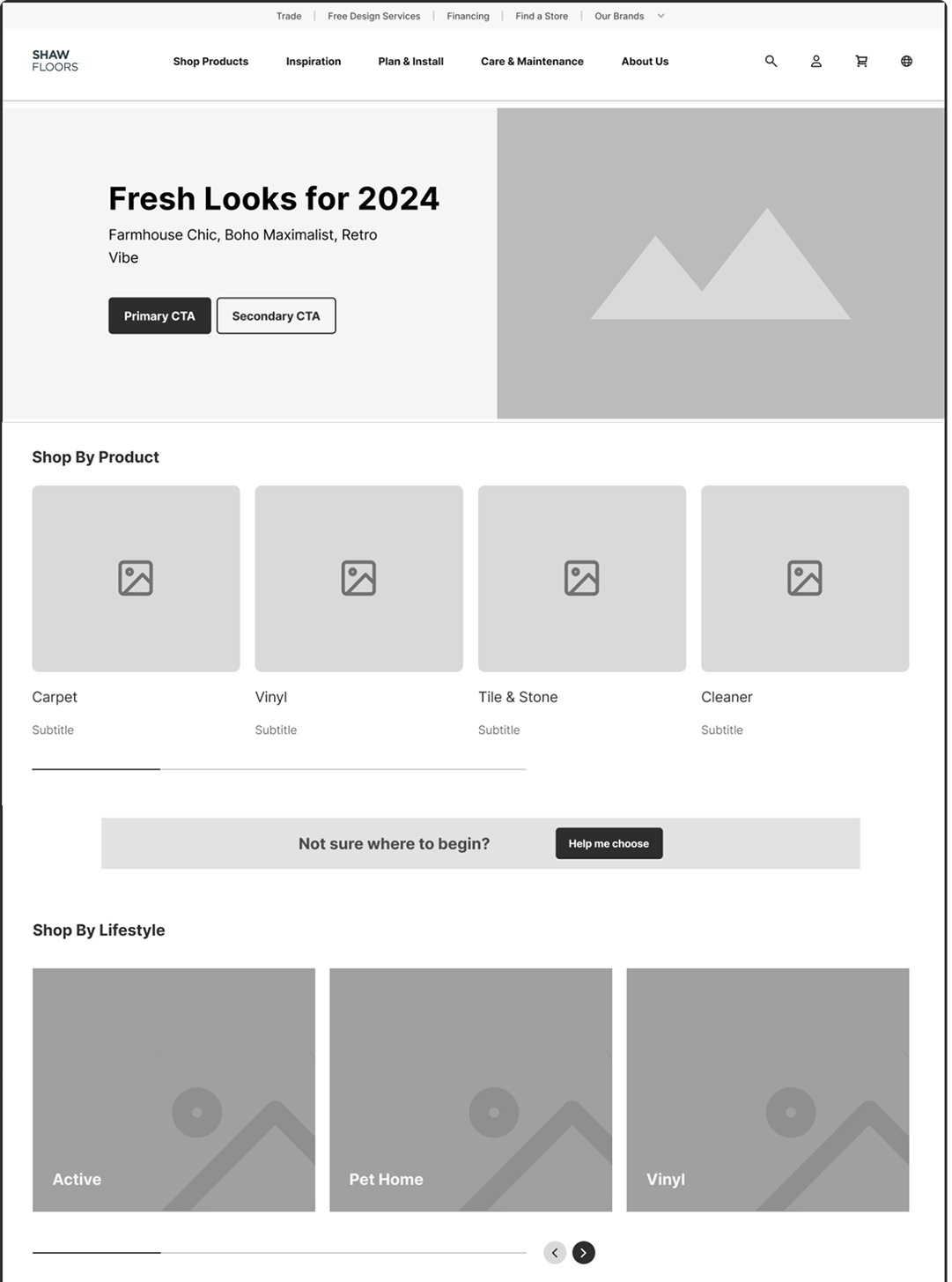
Shaw's Kentico platform is highly modular — essentially digital Lego blocks. Using the new site map, content strategy, and sales priorities as a guide, we built a component manifest: a combined deliverables checklist and component menu for every page across all four brands.
Components were designed in batches, reused wherever appropriate, and assembled into responsive page templates. Deliberate reuse early meant significantly more speed later. After client review and revision cycles, each batch moved into visual design.
7. Visual Design & Handoff
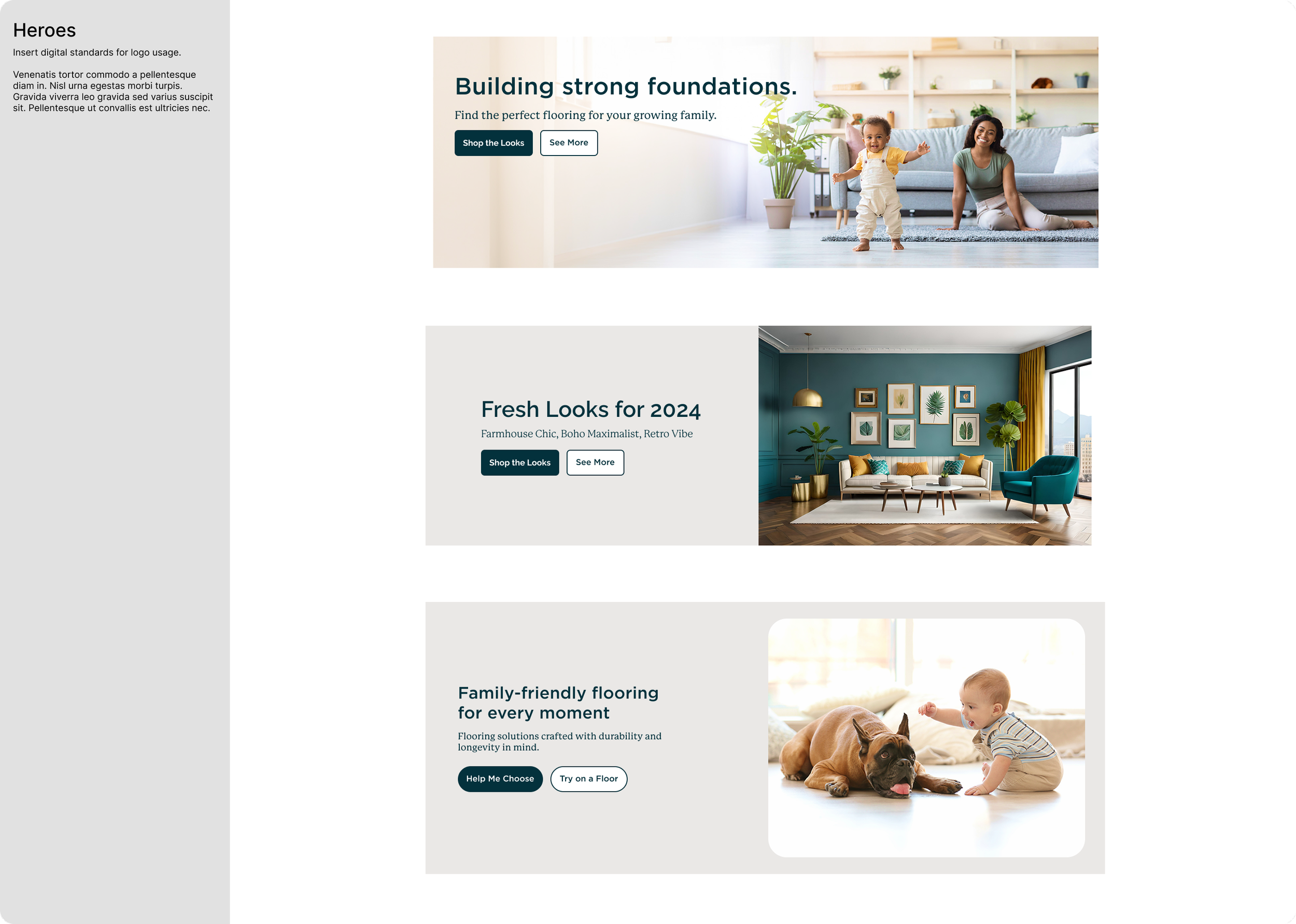
High-fidelity comps followed the same batch cadence as wireframes — responsive scaling, detailed component specifications, and brand standards applied throughout. Each site was distinct but maintained a deliberate structural commonality across brands. Subjectivity peaks at this phase, so every presentation was thoroughly briefed and rehearsed. The groundwork laid in creative direction paid off here: comps moved through review quickly. Rejoice.
Handoff wasn't a wall toss. Macquarium stayed engaged through development and QA — providing a full technical breakdown of deliverables, an initial briefing for Shaw's dev team, and ongoing office hours for questions and UI tweaks through to launch.
The Solution
Reimagined navigation, layouts, and creative
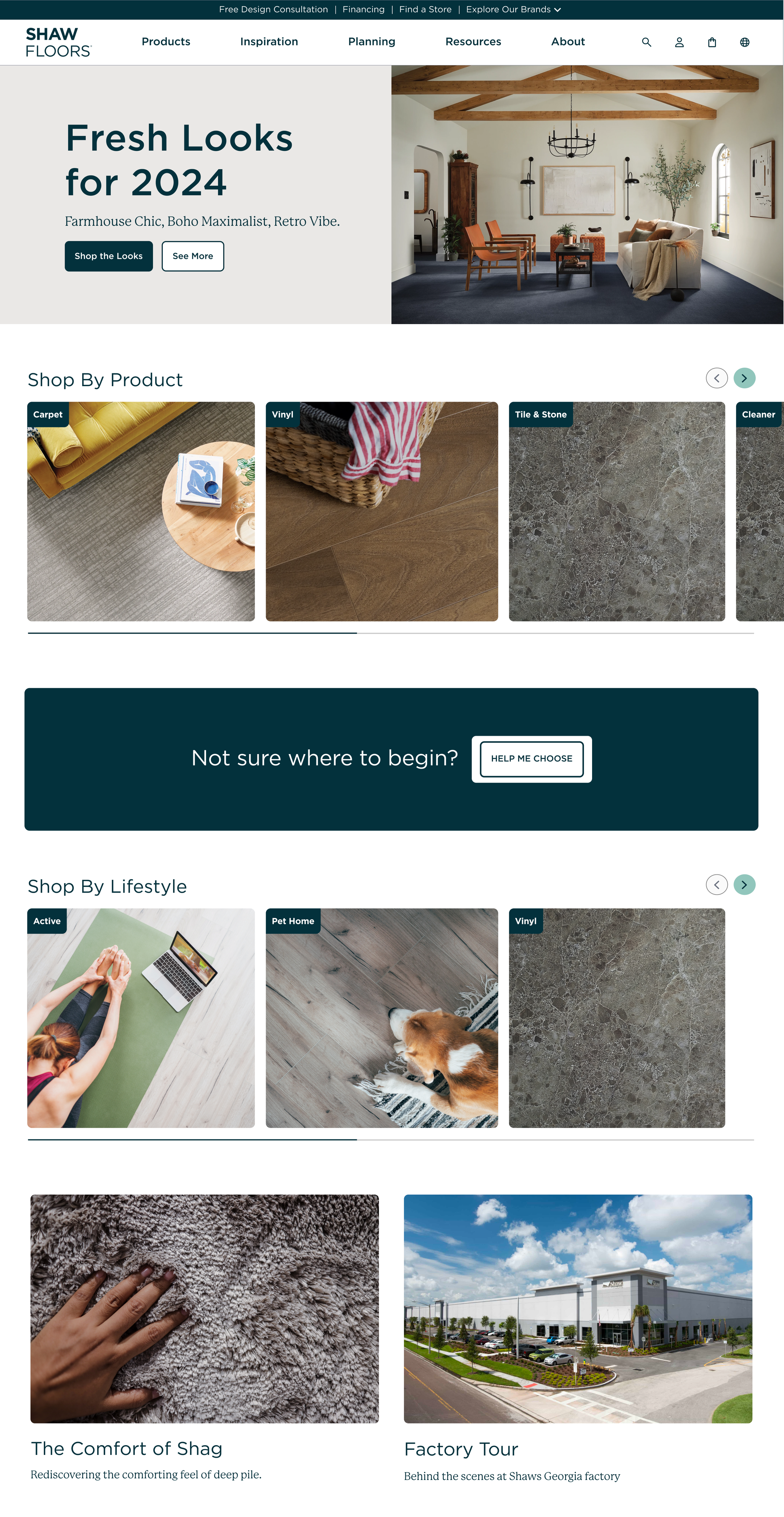
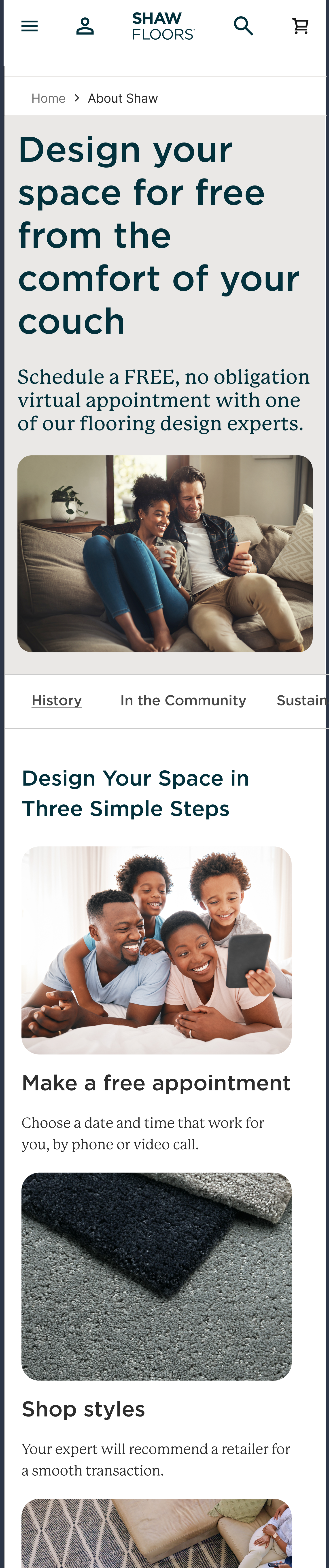
Mobile-first design to fit real-world shopping behavior
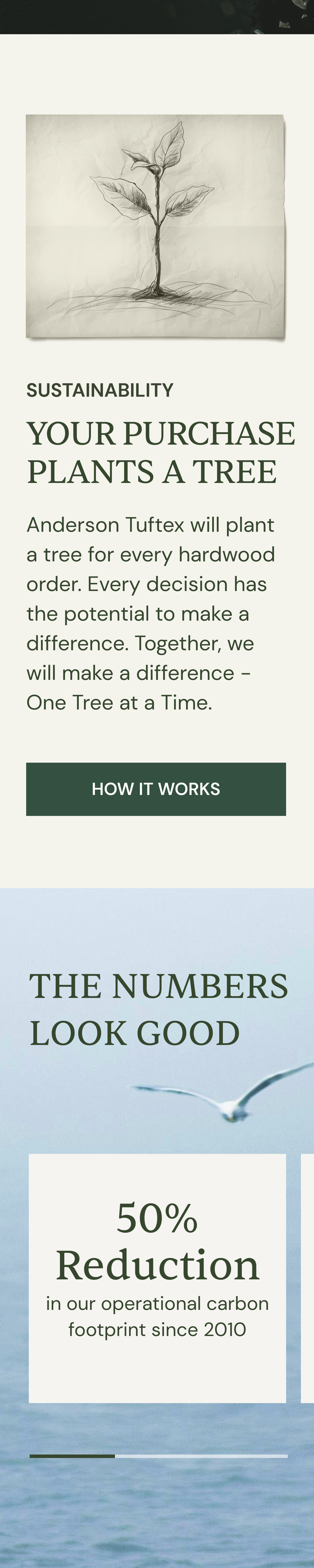
Renewed focus on reasons to believe
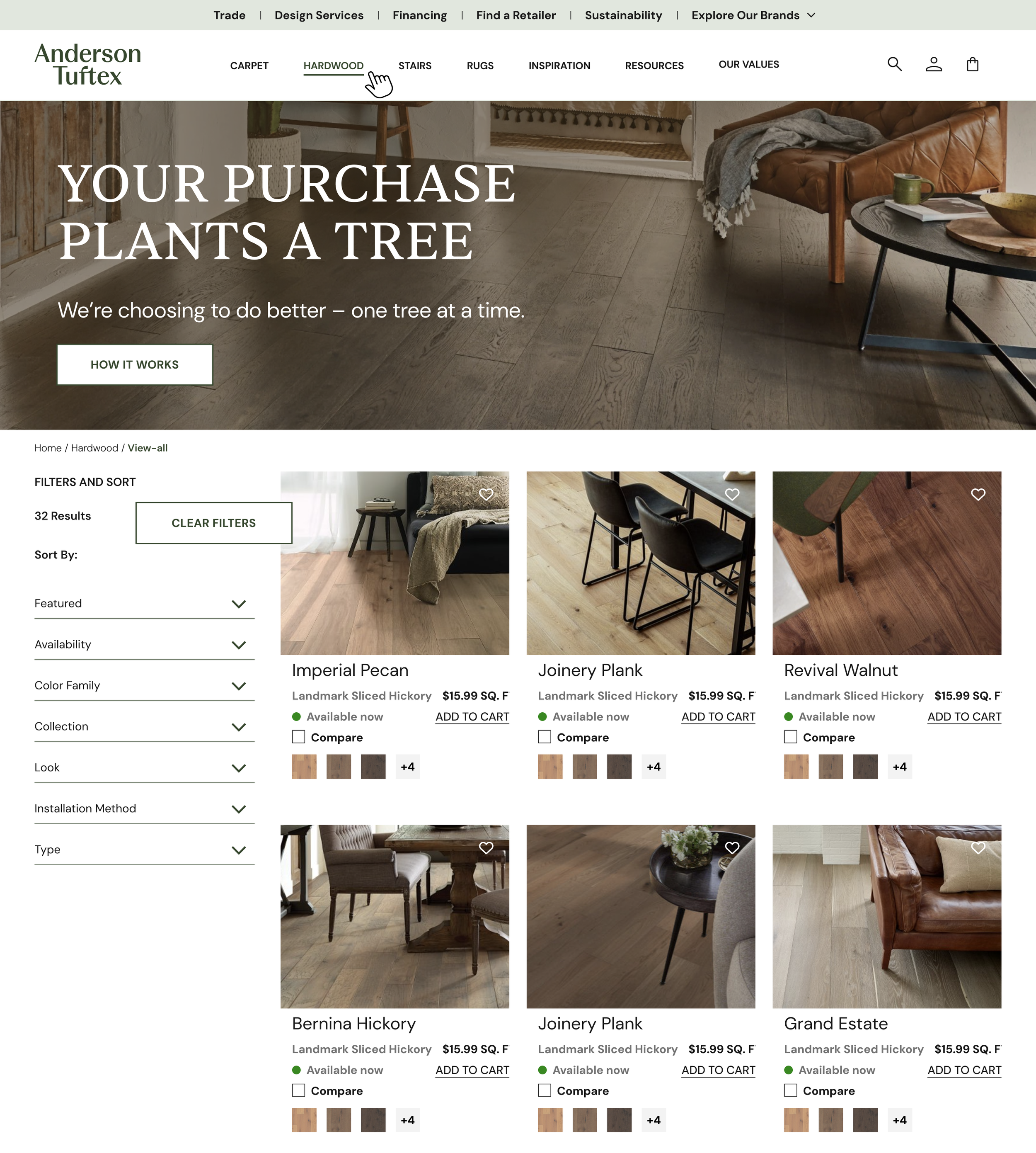
Comprehensive product catalog upgrades - both visual and functional
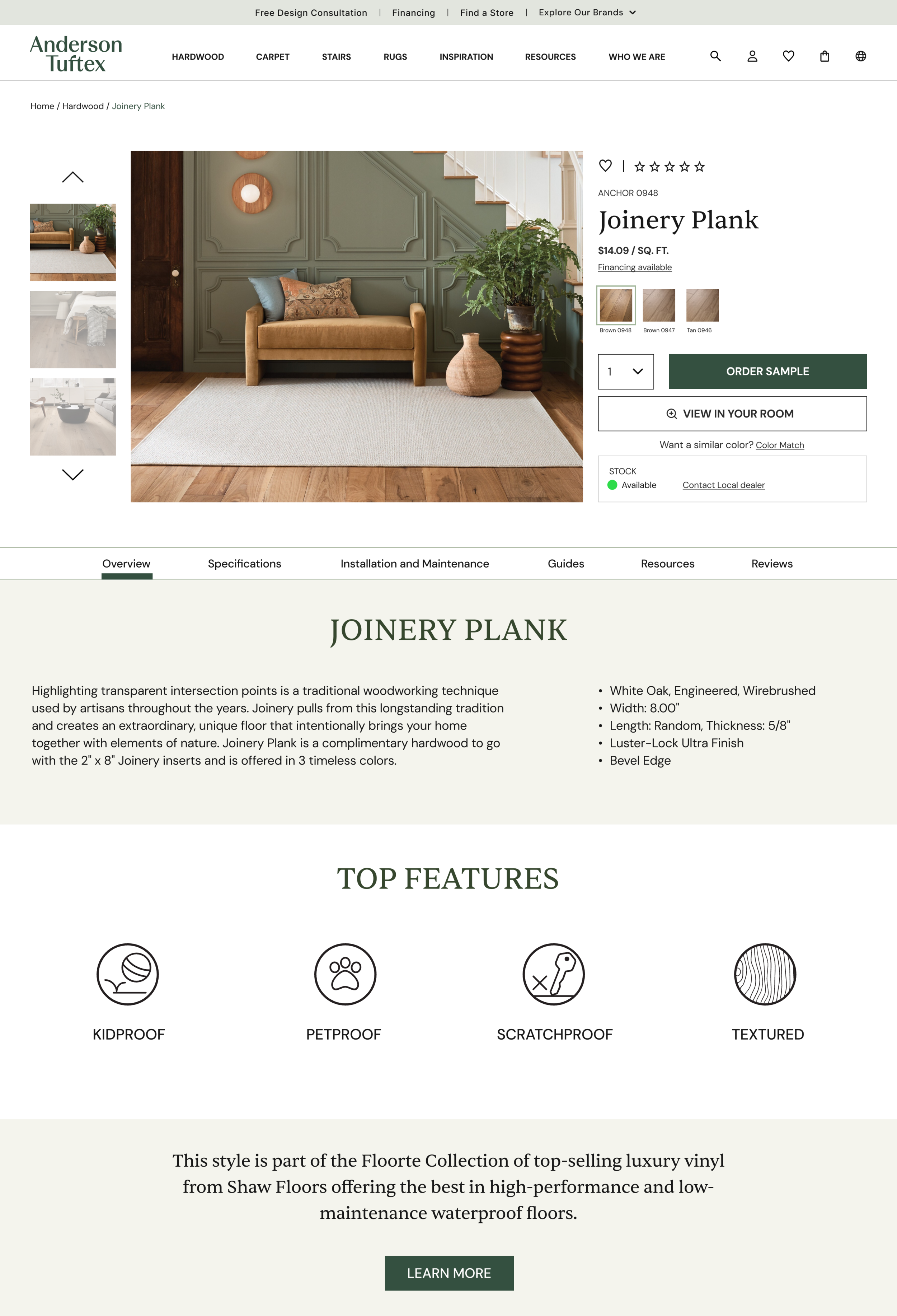
Richer, more intuitive product detail pages
The Results
A Cohesive Cross-Brand Experience
Unified information architecture across Shaw Floors, COREtec, and Anderson Tuftex created a coherent cross-brand journey for the first time — users could move between sites and find what they needed without losing their bearings.
Content Aligned to User Intent
Rebalanced layouts, intuitive navigation, and reorganized product information put care guides, specs, and benefits exactly where customers need them — reducing friction across the entire shopping journey.
Built to Be Client-Owned
Shaw eventually brought their web operations entirely in-house with a single UX designer. That one person could maintain and evolve a multi-brand design system, CMS, and four brand sites showed that the architecture and collaboration paid off.